The J21 Edit
Menopause Changes Your Skin. Here’s What It Actually Needs Now
By J21 Editors · Skin + Life ·
There is a particular kind of frustration that happens when a skincare routine you've trusted for years suddenly stops making sense. The moisturizer you've bought six times isn't rich enough anymore. Your face feels tight by midafternoon, makeup settles differently and products that never bothered you suddenly sting. You may notice more pigmentation, less bounce, a change in texture or simply wonder when your skin became so dry. If you're somewhere in perimenopause or menopause, hormones may be part of the answer.
Menopause is usually discussed in terms of hot flashes, sleep, mood and the end of menstrual cycles, but skin is responsive to hormonal change too. Declining estrogen can influence collagen, elasticity, hydration, thickness and other aspects of skin physiology. At the same time, chronological aging, years of environmental exposure and genetics continue to play their own roles.
In practical terms, the skin you have now may genuinely need something different from the skin you had ten years ago.
Why Skin Can Suddenly Feel Drier
One of the most common changes around menopause is dryness. Sebum production may decline, water retention can change and the lipid environment of the outer skin can shift. Skin that once tolerated almost anything may begin to feel tight, less supple or more easily irritated.
This is also where skincare terminology becomes confusing. Dryness and dehydration are related, but they aren't identical. Dehydration involves insufficient water in the skin, while dry skin needs more attention to oils and lipids. Many women experience some degree of both.
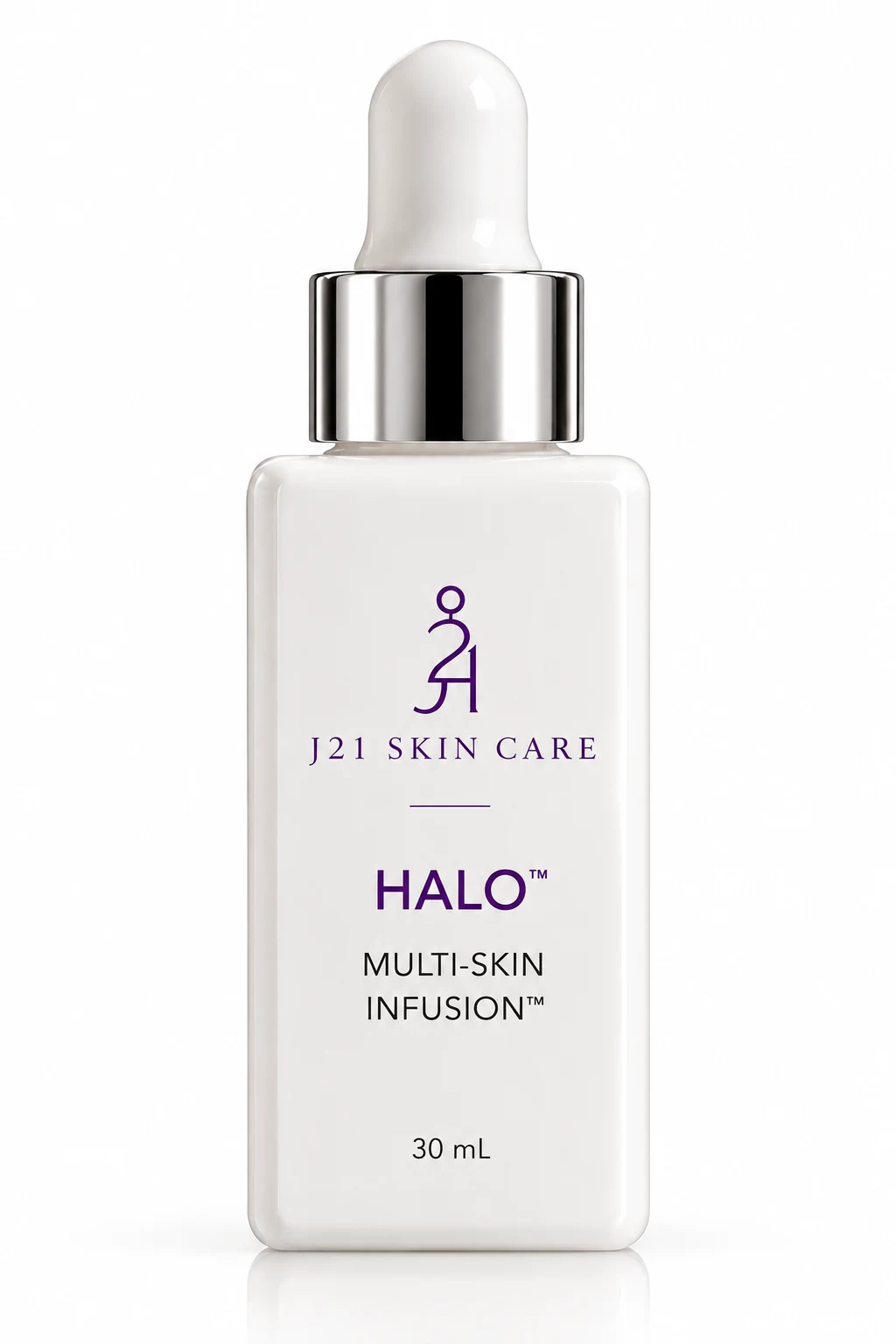
A hydrating serum can address the water-based side of the routine. HALO™ Treatment Serum combines high and low molecular weight hyaluronic acid with sodium PCA, panthenol and beta-glucan, while niacinamide and N-acetyl glucosamine provide complementary support for tone and barrier function.
Explore HALO™ Treatment Serum →
When skin also wants more emollience, a facial oil can be layered into the routine rather than used as a substitute for hydration. Water and lipids have different jobs, and changing skin may increasingly appreciate both.
Collagen Is Part of the Story
Estrogen decline is associated with changes in dermal collagen, contributing over time to thinner skin, reduced firmness and the gradual appearance of lines and laxity. Sun exposure, genetics and lifestyle also influence how visible those changes become. Beauty marketing has a tendency to take a perfectly real biological process and turn it into an emergency. Every woman over a certain age is suddenly being sold a war against collagen loss.
There is a more useful way to look at it. A cosmetic routine cannot stop menopause, and skincare cannot reproduce the structural effects of a medical or professional procedure. What it can do very well is support hydration, improve the appearance and feel of the surface, address uneven tone, maintain a healthy barrier and make changing skin look and feel considerably better. Those are meaningful improvements in skin quality.
Your Old Exfoliation Schedule May Need Another Look
If you've exfoliated three nights a week for the last decade, it's easy to assume that three nights a week is simply what your skin requires. It may have been. It may not be anymore.
As skin becomes drier or more reactive, combinations of acids, retinoids, scrubs and resurfacing treatments can become harder to tolerate. This doesn't mean menopause requires abandoning active skincare for a jar of bland moisturizer. Frequency and combinations simply deserve another look.
You may still love your retinoid but prefer using it less often. One exfoliating product may now be enough. Recovery nights between active treatments can become more valuable than scheduling a different treatment for every evening of the week. Your routine is allowed to change because your skin has changed.
Facial Oils May Suddenly Make Much More Sense
For someone who spent her twenties and thirties trying to remove every trace of oil from her face, voluntarily applying one later in life can feel counterintuitive. Yet this is often the stage when a well-formulated facial oil becomes particularly appealing.
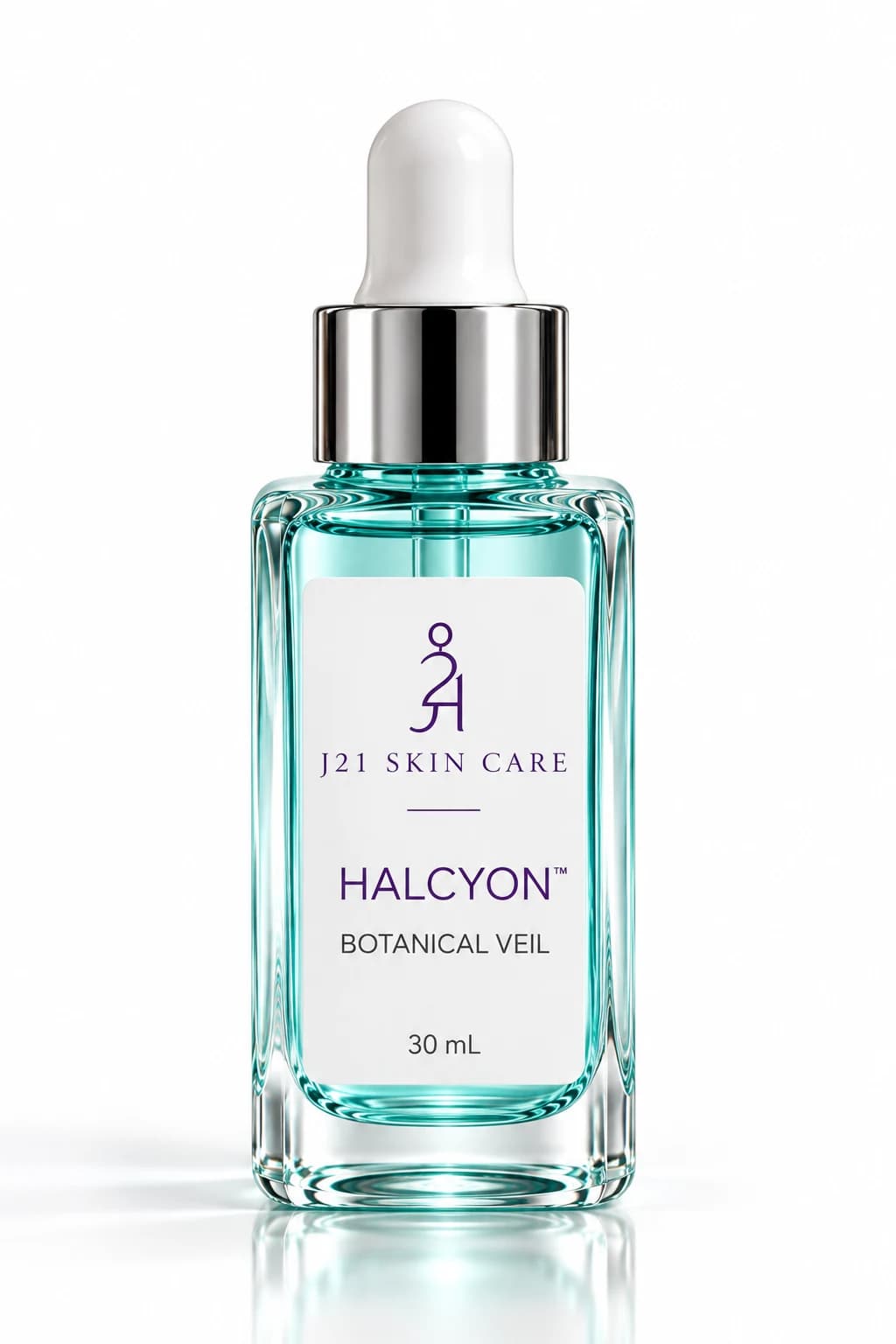
HALCYON™ Botanical Facial Oil is the lighter expression in the J21 collection. Camellia, meadowfoam, daikon seed, jojoba and squalane are blended with blue tansy and other botanicals for softness, nourishment and luminosity without making richness the entire experience.
Explore HALCYON™ Botanical Facial Oil →
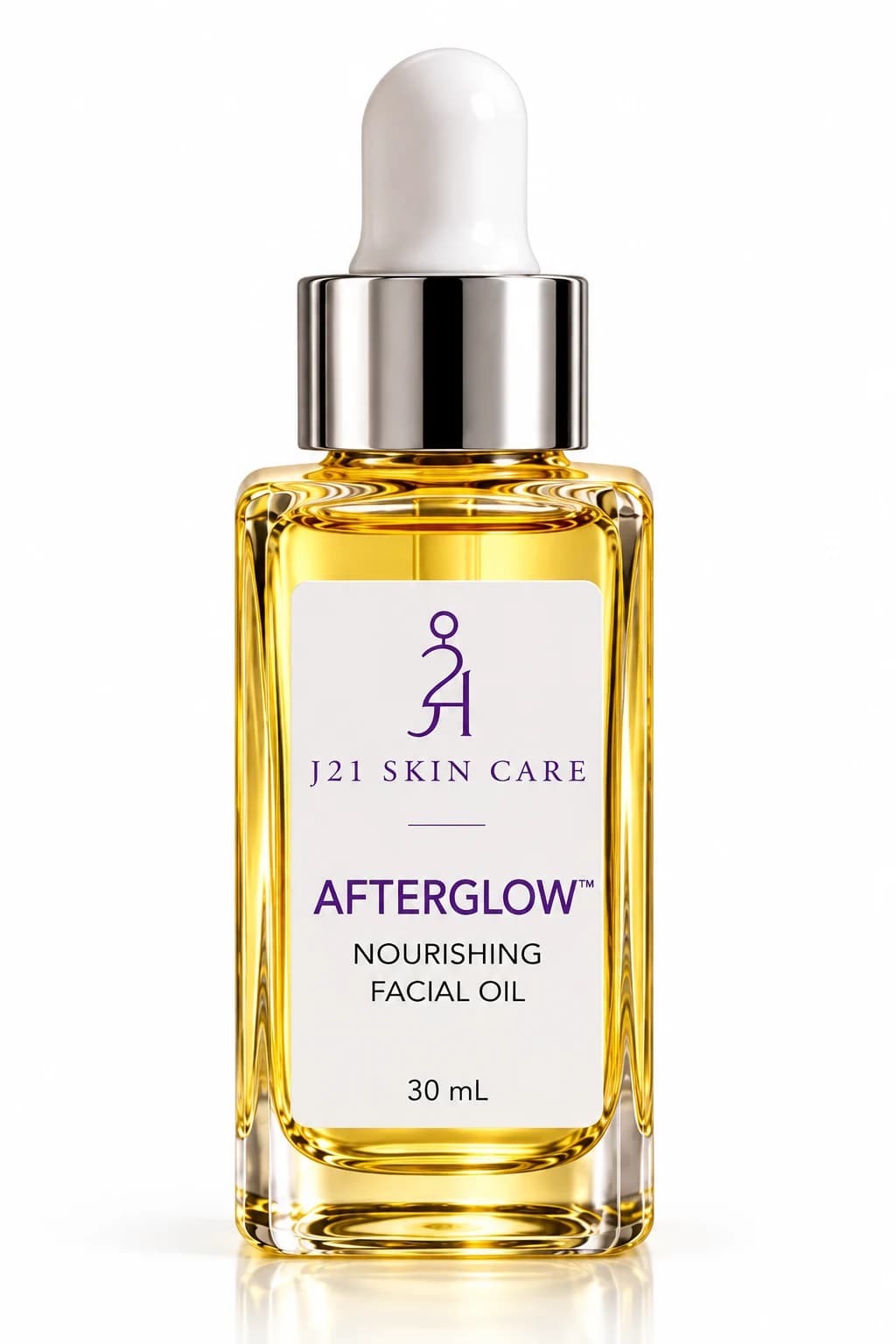
When skin feels more depleted, particularly during colder weather or periods of pronounced dryness, AFTERGLOW™ Restorative Botanical Oil offers a richer botanical profile with prickly pear, Kalahari melon, cloudberry, rosehip, marula, evening primrose and sea buckthorn.
Explore AFTERGLOW™ Restorative Botanical Oil →
Some women will prefer one consistently, while others will use both at different times of year. The point isn't to identify the facial oil for a certain birthday. It is to recognize what your skin is asking for now.
Menopause Doesn't Stop at the Jawline
We spend so much time discussing the face that the rest of the skin is easily forgotten. Hormonal and age-related changes don't politely stop at the chin. Arms, legs, hands and chest can become noticeably drier too, sometimes for the first time.
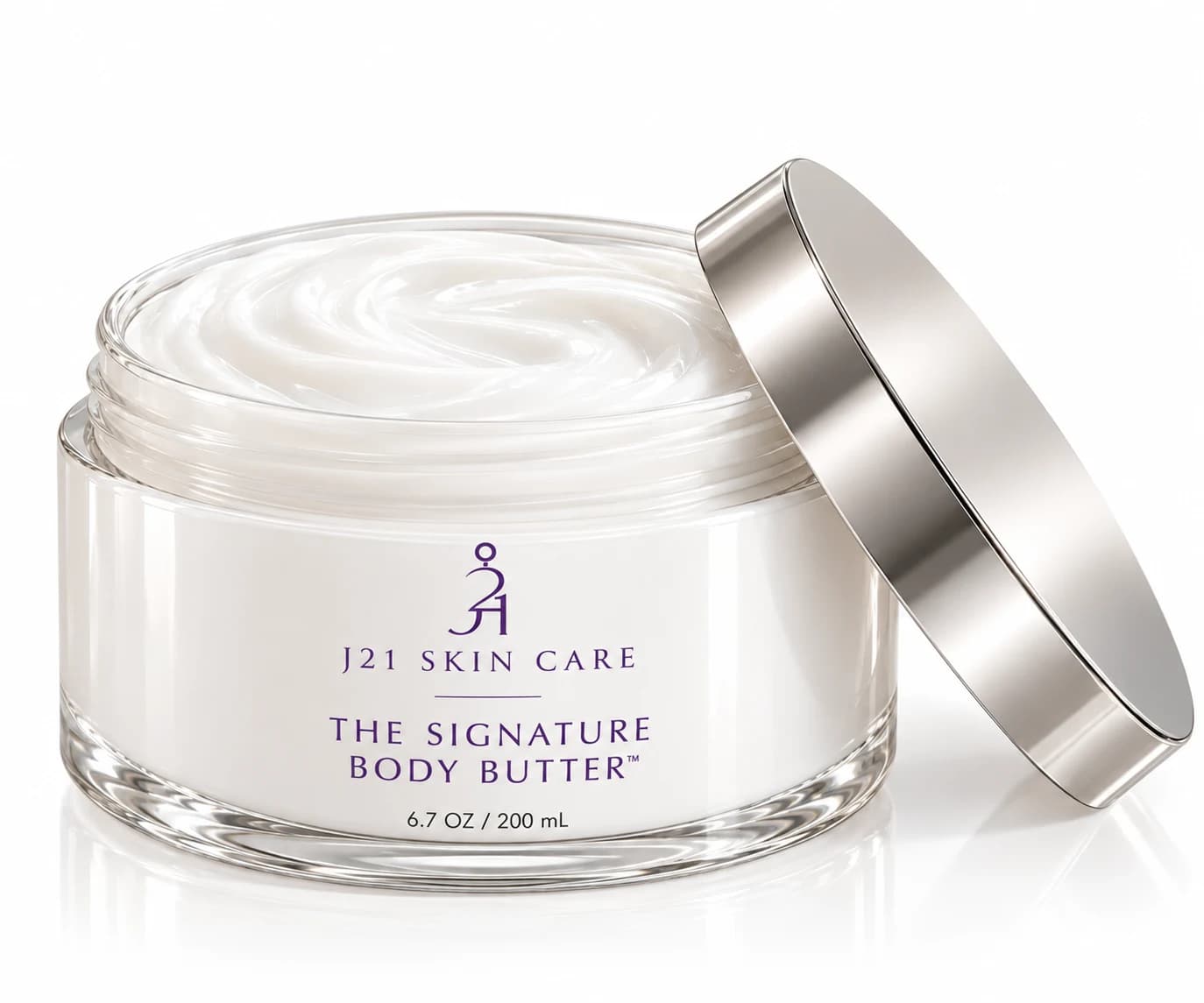
Body care deserves to graduate from an afterthought. The Signature Body Butter™ was created for substantial nourishment, combining shea butter and olive-derived squalane with buriti, pomegranate and raspberry seed oils, plus aloe vera, ceramides, green tea, chamomile, vitamin E and allantoin.
Explore The Signature Body Butter™ →
Applying body moisturizer while the skin is still slightly damp after bathing can help make the routine more effective and comfortable.
What About Hormone Therapy?
Hormone therapy is a medical treatment, not a beauty treatment. Decisions about whether it is appropriate belong with a qualified healthcare professional who can consider symptoms, medical history and individual risks and benefits.
Research suggests hormone therapy can influence some aspects of skin physiology, including collagen and hydration, but improving skin should not be the sole reason to begin systemic treatment. Whether you use hormone therapy or not, skincare should still respond to the skin you actually have.
Significant itching, persistent rashes, sudden hair loss, new lesions or other concerning changes also shouldn't automatically be dismissed as “just hormones.” Those deserve appropriate medical evaluation.
Your Skin Isn't Asking You to Become 30 Again
Perhaps the most useful change in menopausal skincare is letting go of the idea that the objective is to return the face to an earlier decade.
Skin at 50 isn't failed skin because it doesn't behave like skin at 30. It has experienced more sun, weather, hormones and life, and its biology has changed. A thoughtful routine should be sophisticated enough to change with it.
That may mean more hydration, richer lipids, fewer exfoliating nights, consistent sun protection or professional treatments chosen for the skin you have today. It may simply mean paying closer attention rather than automatically repurchasing the routine you've always used. After years of working with skin at different ages and stages, one lesson remains remarkably consistent: the best routine begins by listening to the skin in front of you.
J21 Skin Care · Science. Nature. Luxury.™ · Since 2007.