The J21 Edit
Dry Skin or Dehydrated Skin? They’re Not the Same Thing
By J21 Editors · Skin Intelligence ·
Your face feels tight after cleansing. By afternoon, foundation has settled into fine lines you barely noticed that morning. The surface looks a little dull or feels rough, and the obvious conclusion is that your skin is dry.
It might be, but it may also be dehydrated. Although the two words are often used interchangeably, they describe different needs.
Understanding the distinction is useful because skin relies on both water and lipids. Applying a beautiful facial oil to dehydrated skin may still leave it wanting water-based hydration. Layering hydrating serums onto very dry skin may feel wonderful initially, only for tightness to return later because the lipid side of the routine hasn't been addressed.
Dry Skin and Dehydrated Skin Need Different Things
Dry skin generally needs more attention to oils and lipids to maintain comfort and suppleness. For some people, dryness is simply part of their natural skin type. For others, it becomes more noticeable with age, hormonal changes, medication, climate or season.
Dehydration refers to insufficient water content in the skin and can be temporary. Importantly, it can affect dry, normal, combination and even oily complexions. An oily complexion can absolutely be dehydrated.
Skin hydration depends on water within the outer layers, natural moisturizing factors and the lipid structures that help control water loss. This is why good moisturizers often combine several types of ingredients rather than relying on a single fashionable one. Humectants help attract and retain water, emollients soften and smooth, while more occlusive ingredients can help limit evaporation from the surface. “Moisture” is doing more work than the word suggests.
What Dehydrated Skin Can Feel Like
Dehydrated skin often feels tight, particularly after cleansing. It may look dull, show fine dehydration lines more readily and lose the comfortable, cushioned appearance associated with well-hydrated skin. Makeup can suddenly emphasize texture that wasn't particularly noticeable before.
Because dehydrated skin can look dull, the temptation is often to exfoliate. If insufficient water and an overworked barrier are part of the problem, additional exfoliation may make the complexion feel worse.
Paying attention to how the skin feels can be as useful as looking at it. If your face becomes tight immediately after washing, consider the cleanser and water temperature before buying another treatment. Very hot water and aggressive cleansing can contribute to discomfort. A cleanser doesn't need to leave the face squeaky to have done its job.
Where Hyaluronic Acid Fits In
Hyaluronic acid has become so familiar in skincare that it is easy to forget why it became popular. As a humectant, it is particularly useful in formulas designed to support hydration.
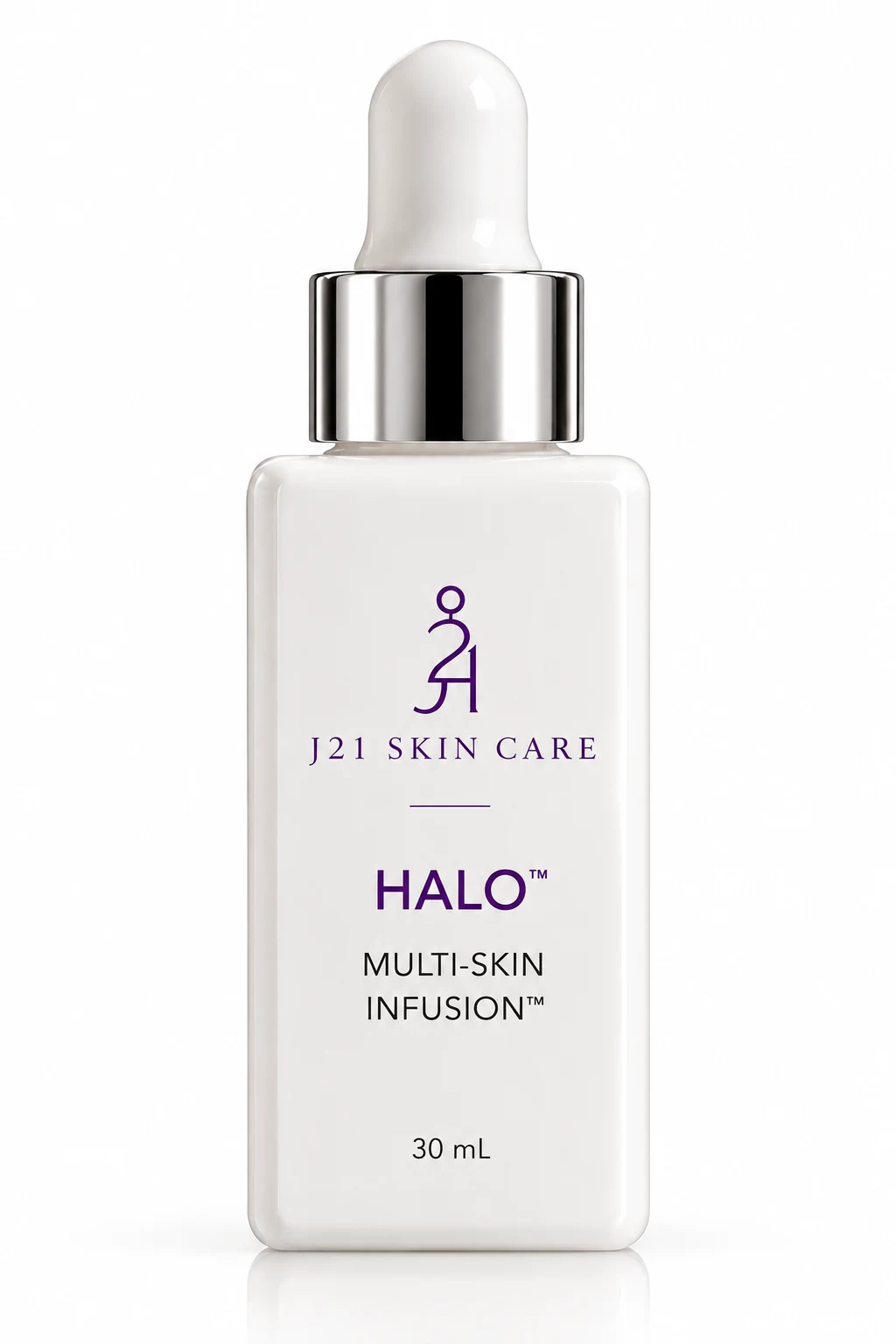
HALO™ Treatment Serum uses high and low molecular weight hyaluronic acid alongside sodium PCA, panthenol and beta-glucan. The formula also contains 4% niacinamide and 2% N-acetyl glucosamine, broadening its purpose beyond hydration alone.
Explore HALO™ Treatment Serum →
Hydrating serums generally sit toward the lighter, water-based part of the routine, before richer creams or oils. What comes afterward depends on how much additional emollience the skin needs.
When Skin Needs Oil Too
If hydration addresses the water side of the equation, dry skin often benefits from more attention to lipids. The outer skin barrier contains an organized lipid matrix that plays an important role in controlling water loss, which helps explain why an oil or lipid-rich moisturizer can make such a noticeable difference to dry skin.
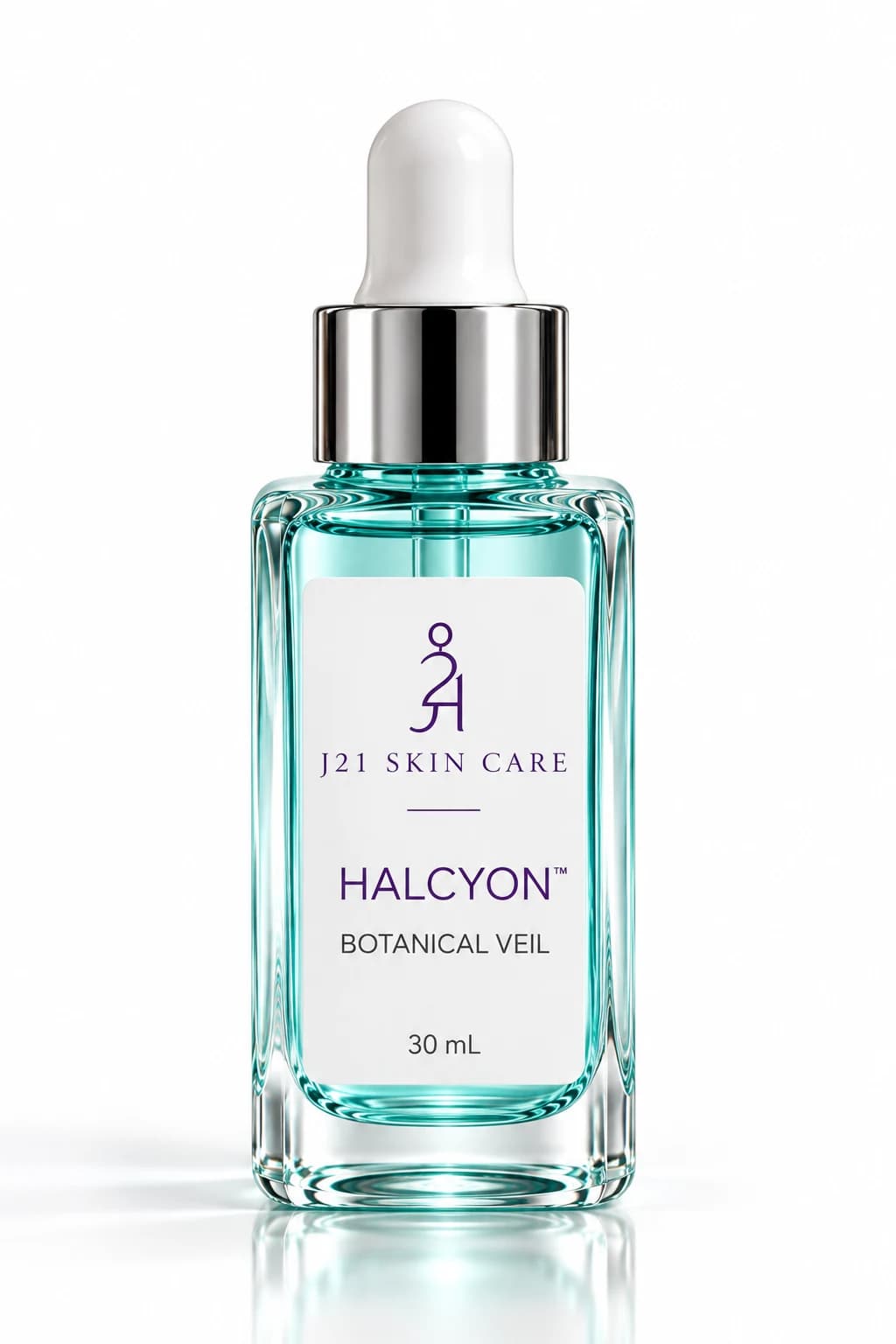
For lighter lipid nourishment, HALCYON™ Botanical Facial Oil combines camellia, meadowfoam, daikon seed, squalane and jojoba with an edited botanical blend.
Explore HALCYON™ Botanical Facial Oil →
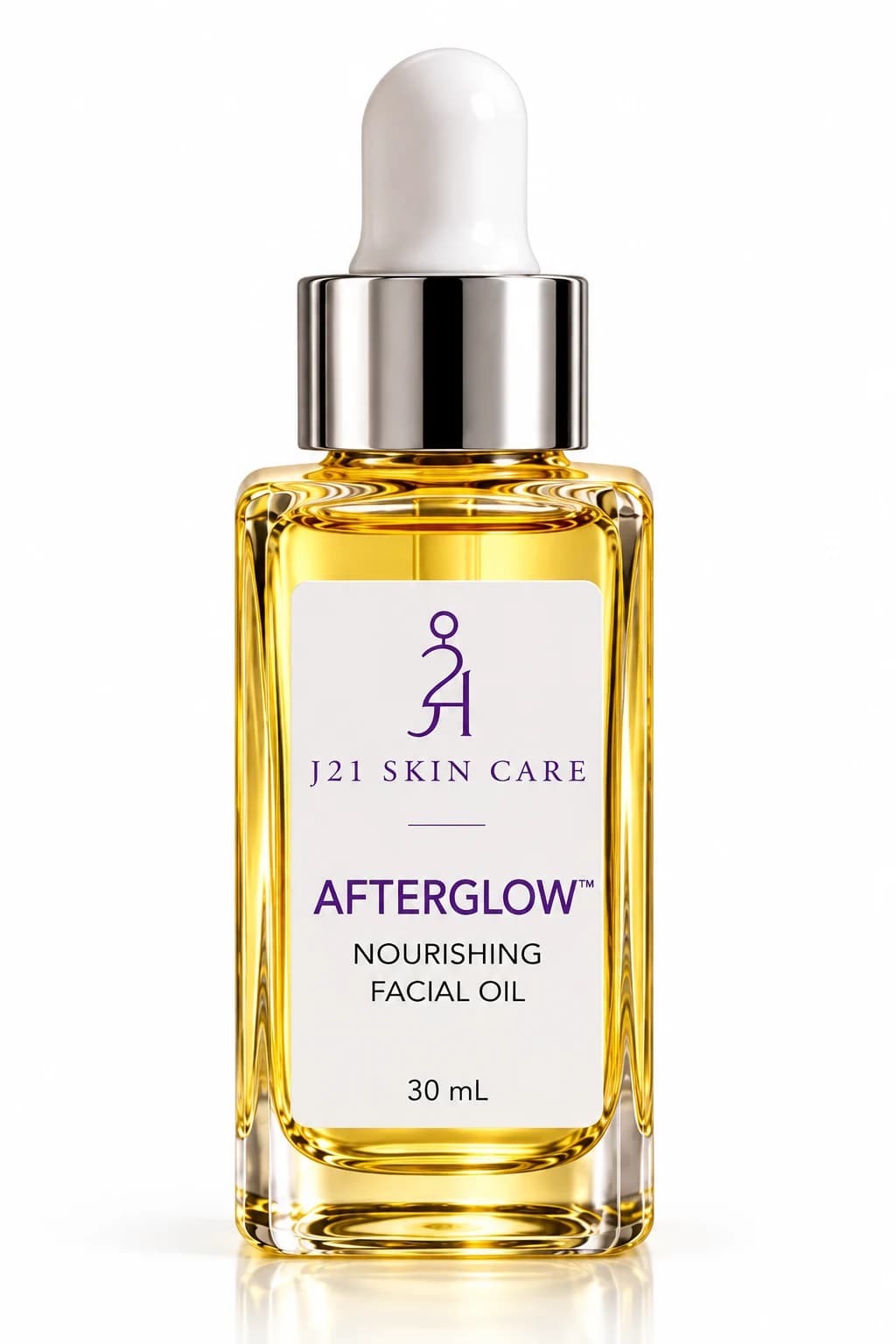
When skin feels more depleted or wants a richer finish, AFTERGLOW™ Restorative Botanical Oil brings together prickly pear, Kalahari melon, cloudberry, rosehip, marula, evening primrose and sea buckthorn in a more substantial formula.
Explore AFTERGLOW™ Restorative Botanical Oil →
When skin is both dry and dehydrated, the approach can be beautifully straightforward: address water-based hydration first and follow with the level of lipid nourishment the skin needs.
Weather Changes the Routine
A routine that feels perfect in July can seem completely inadequate in January without anything being wrong with the products.
Humidity and temperature affect the way skin behaves. Cold outdoor air combined with heated indoor environments can make winter particularly challenging, while summer humidity may reduce the amount of rich product some people want on their skin.
There is nothing inconsistent about changing a routine with the seasons. Winter might mean using facial oil more frequently or choosing a richer moisturizer. Summer may mean fewer drops, nighttime-only oil or finding that serum and moisturizer are enough. A few adaptable products are often more useful than an entirely different skincare wardrobe for every season.
Age and Hormones Can Change the Equation
Skin that was oily for decades can become surprisingly dry later in life. Sebum production can change with age, while perimenopause and menopause may affect hydration, collagen and barrier function.
This is one reason people occasionally become convinced that a longtime moisturizer has been reformulated when the larger change is happening in their own skin. There is no benefit in remaining loyal to a routine that no longer works. If the lightweight lotion you've used for years suddenly disappears into the skin and leaves it uncomfortable, that's useful information.
Don't Forget the Skin Below Your Neck
Dryness isn't exclusive to the face. Arms, legs and hands often become drier with age, cold weather and hormonal change, yet body care is still frequently treated as an optional beauty extra.
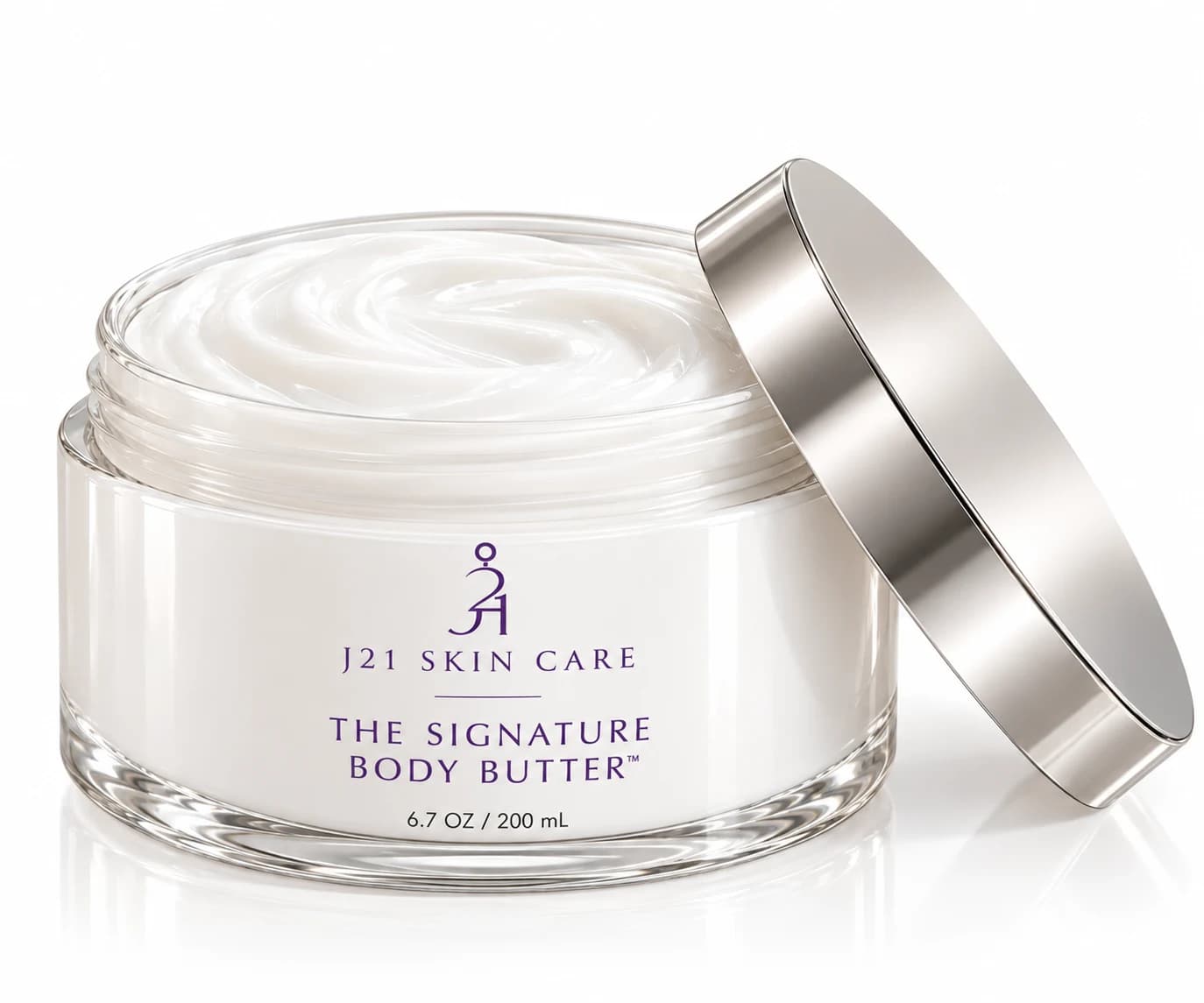
Applying a substantial moisturizer shortly after bathing, while the skin still retains some water, can improve comfort and softness. The Signature Body Butter™ was created for richer body care with shea butter, olive-derived squalane, buriti, pomegranate and raspberry seed oils alongside aloe vera, ceramides, green tea, chamomile, vitamin E and allantoin.
Explore The Signature Body Butter™ →
Learn the Pattern Rather Than Chasing the Label
Real skin is more complicated than the sixty-second quizzes designed to assign everyone a permanent type. Instead, look for patterns. Skin that feels tight but still produces oil may be dehydrated. Skin that consistently feels rough, flaky and lacking in oil may need more attention to dryness. Dramatic seasonal changes suggest that environment is contributing, while a noticeable shift around perimenopause may have a hormonal component.
Persistent flaking, redness, itching, burning or irritation deserves more than a beauty diagnosis. Eczema, dermatitis, rosacea and other skin conditions can resemble ordinary dryness or sensitivity and should be evaluated appropriately.
For everyday skin, however, understanding the distinction between water and lipids makes choosing products much easier. Dehydrated skin needs hydration. Dry skin needs additional attention to emollience and lipids. Many complexions need both, and the balance can change with age, hormones, season and environment.
The goal isn't to assign your skin a label forever. It's to become better at recognizing what it needs now.
J21 Skin Care · Science. Nature. Luxury.™ · Since 2007.