The J21 Edit
Facial Oils Are Back. But They Never Really Left.
By J21 Editors · Ingredient Intelligence ·
Beauty has an interesting relationship with oil. For years, we were taught to remove it aggressively. Foaming cleansers promised to eliminate every trace, toners left skin almost squeaky and “oil-free” became synonymous with sophisticated skincare. Then facial oils returned in beautiful glass bottles and suddenly we were being encouraged to put back what we'd spent years trying to wash away.
The truth is considerably more nuanced. Oil was never inherently bad for skin, and every facial oil isn't automatically beneficial simply because it came from a plant. Botanical oils differ in fatty-acid composition, texture, stability and naturally occurring components. Those differences affect how they feel and behave on the skin.
The useful question isn't whether facial oils are good or bad. It's what a particular formula can contribute to a particular complexion.
Facial Oil and Face Serum Are Not the Same Thing
A water-based serum and a facial oil can both make skin look beautiful, but they perform different jobs.
Water-based serums are particularly useful vehicles for humectants and water-soluble ingredients. Hyaluronic acid, sodium PCA and panthenol fit naturally into this category and help support skin hydration.
Facial oils are lipid based. They provide emollience, helping soften and smooth the skin while supplementing the lipid side of a routine. Depending on their composition, botanical oils can also contribute naturally occurring compounds that make them interesting beyond simple softness.
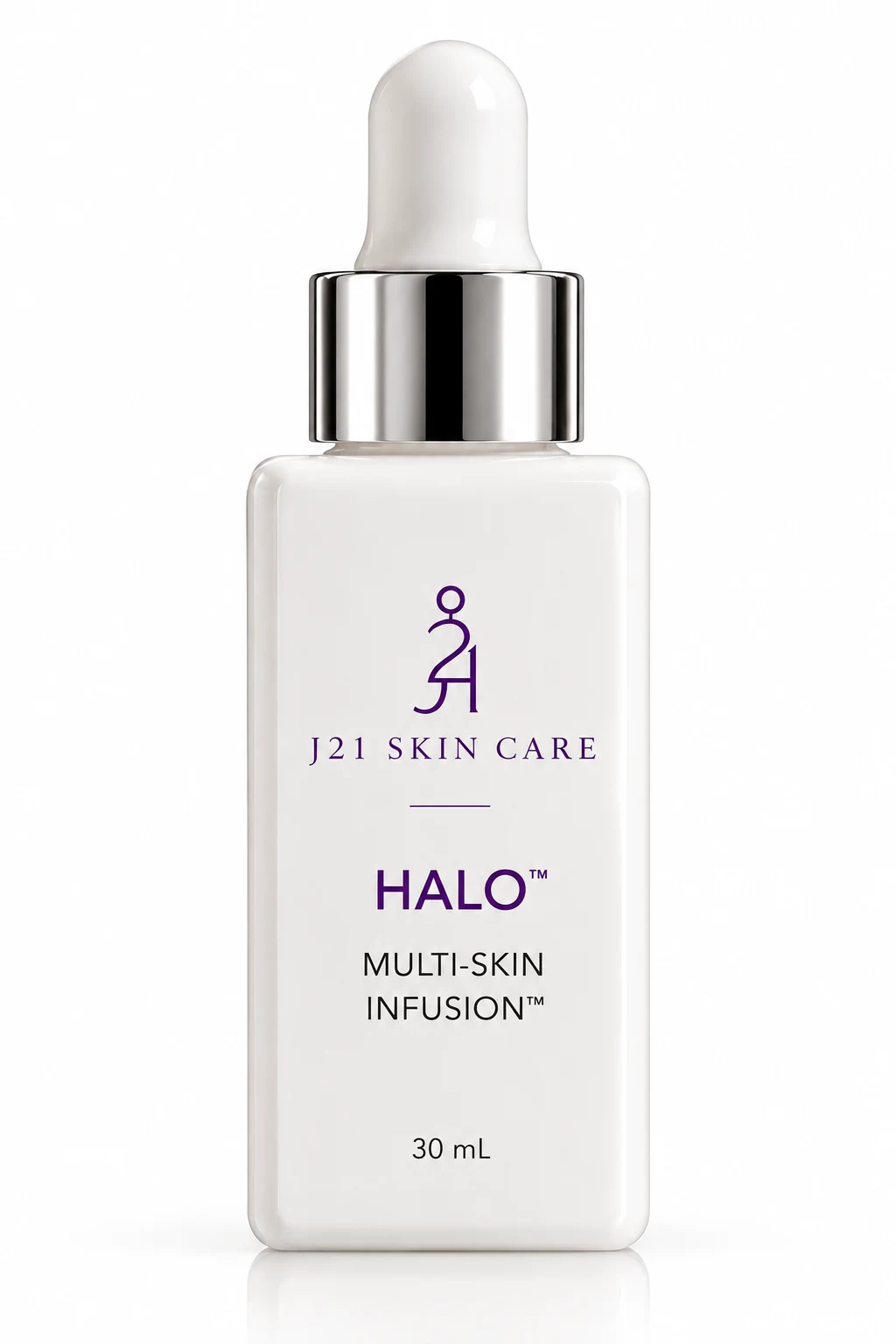
One doesn't make the other unnecessary. This is why HALO™ Treatment Serum and the J21 facial oils were designed to complement rather than compete with one another. HALO addresses the water-based side of the routine with high and low molecular weight hyaluronic acid, sodium PCA, panthenol and beta-glucan alongside niacinamide and N-acetyl glucosamine.
Explore HALO™ Treatment Serum →
Some complexions will find a hydrating serum sufficient. Others will love a few drops of oil afterward. The same person may want both in January and considerably less in July.
Not All Botanical Oils Behave Alike
It is easy to come away from the beauty aisle with the impression that the main difference between facial oils is which plant sounds most exotic. Their chemistry is considerably more important.
Plant oils contain different proportions of fatty acids and naturally occurring components. Those differences influence texture, stability and their relationship with the skin. This is one reason thoughtful formulation can be more useful than chasing whichever single botanical happens to be fashionable.
A blend gives the formulator control over slip, absorption, richness and the overall sensory experience. That last part matters. Skincare has to be pleasant enough to use consistently. An impressive ingredient story doesn't mean much if the bottle remains untouched because the formula feels heavy or unpleasant.
Why J21 Made Two
Two facial oils in a deliberately edited collection make sense once you consider how differently skin can behave.
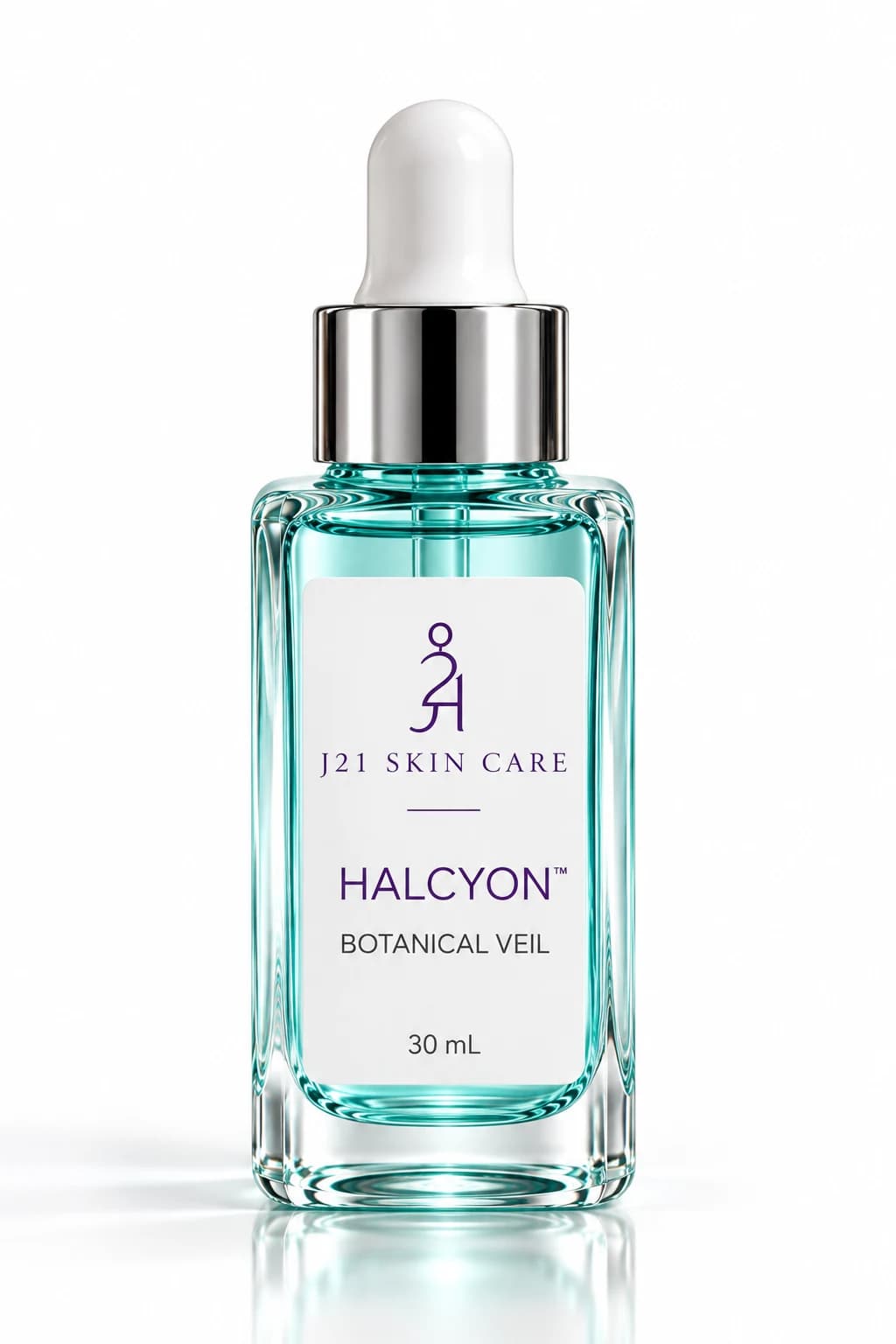
HALCYON™ Botanical Facial Oil was designed as the lighter, more versatile expression. Its formula brings together camellia seed oil, daikon seed extract, meadowfoam seed oil, squalane and jojoba with blue tansy, jasmine sambac and vitamin E. The result is nourishing without making richness the defining feature.
Explore HALCYON™ Botanical Facial Oil →
HALCYON works beautifully when skin wants softness, comfort and luminosity, or when someone loves the ritual of facial oil but prefers a lighter experience.
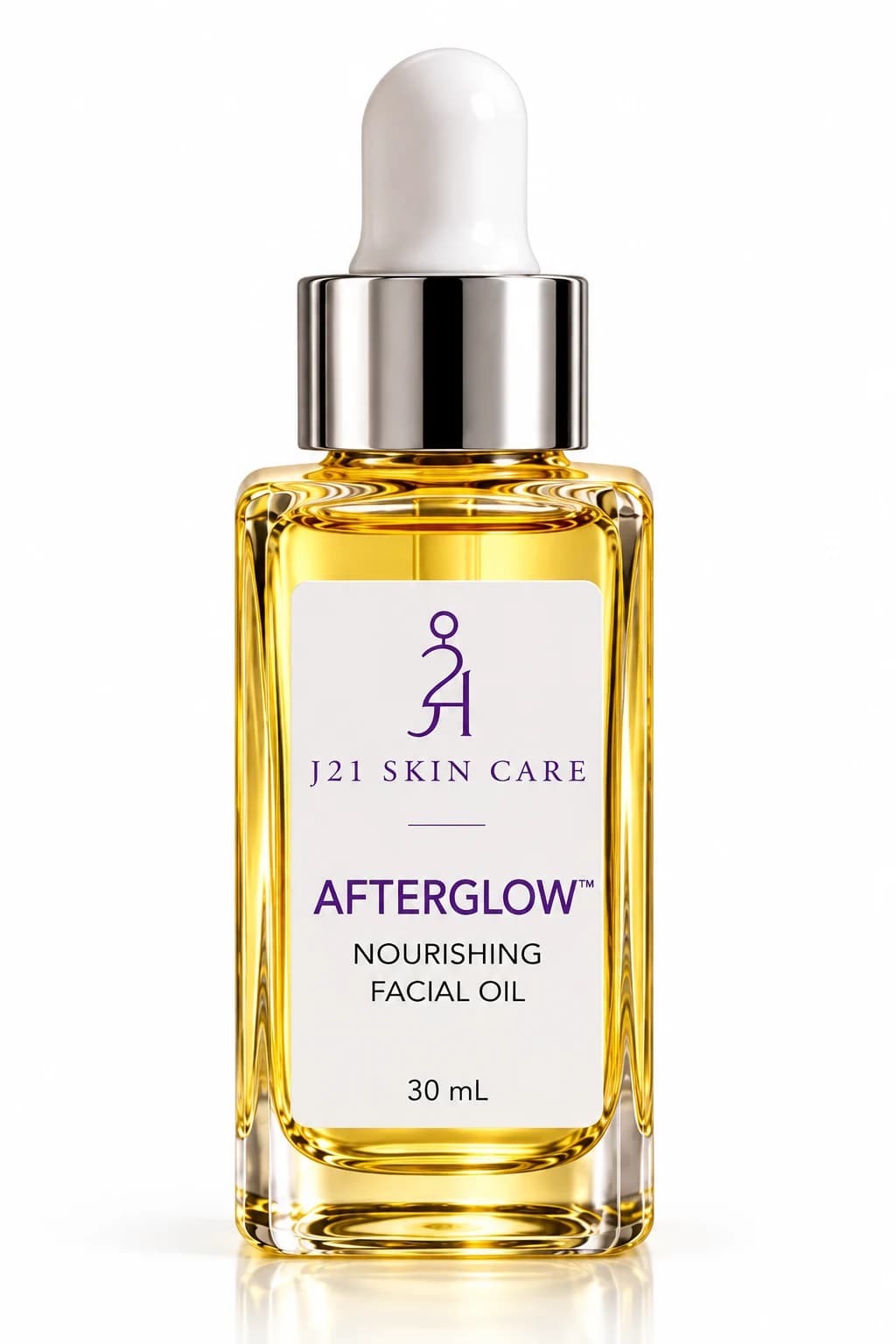
AFTERGLOW™ Restorative Botanical Oil occupies different territory. Created for skin seeking greater replenishment, its blend includes prickly pear, Kalahari melon, cloudberry, rosehip, marula, evening primrose and sea buckthorn oils, complemented by Bulgarian rose, Roman chamomile and vitamin E.
Explore AFTERGLOW™ Restorative Botanical Oil →
Neither is the better oil. They were made for different skin needs and different moments. Someone may use HALCYON through most of the year and reach for AFTERGLOW in winter. Another complexion may prefer AFTERGLOW regularly. Skin doesn't remain static, so there is little reason to expect one texture to suit it every day of the year.
Will Facial Oil Make You Break Out?
There is no universal answer because acne is more complicated than the presence or absence of oil in a skincare product. Sebum production, follicular plugging, inflammation, hormones, genetics and individual ingredient tolerance can all play a role.
“Botanical” doesn't guarantee that every complexion will love a formula, just as “oil-free” doesn't guarantee that every acne-prone complexion will love one either. If your skin is particularly reactive or prone to breakouts, introduce new products gradually and pay attention to how your skin responds. Persistent or inflammatory acne deserves professional evaluation rather than an endless cycle of ingredient experimentation.
Where Does Facial Oil Go in a Routine?
This question has generated far more complicated diagrams than it deserves. In a straightforward routine, water-based products generally come first. Cleanse, apply the appropriate treatment or hydrating serum, follow with moisturizer if you use one, and then use a small amount of facial oil.
A few drops are usually plenty. More oil doesn't necessarily produce more benefit, and applying too much can turn an elegant formula into a heavy experience. Warm a small amount between the fingertips or palms and gently press it into the face and neck. There is also no rule requiring facial oil every night. Use it according to the way your skin feels.
The Pleasure of the Last Step
There is something about facial oil that can't be reduced entirely to fatty acids and barrier science. A few drops warmed between the hands, the scent of beautifully chosen botanicals and the moment at the end of an evening routine when you slow down enough to actually touch your face are part of the experience too.
Skincare is allowed to be effective and pleasurable at the same time. Products we genuinely enjoy are also the ones we're more likely to use consistently.
Perhaps that's why facial oils never really disappeared. The beauty industry may periodically decide they're fashionable or unfashionable, but skin has always needed lipids. The bottles and language change; that fundamental relationship does not.
For J21, a beautiful facial oil sits somewhere between formulation and ritual. What goes into the bottle matters. So does the pleasure of reaching for it.
J21 Skin Care · Science. Nature. Luxury.™ · Since 2007.