The J21 Edit
Your Skin Barrier Is Not a Trend. Here’s How to Actually Take Care of It
By J21 Editors · Skin Intelligence ·
Somewhere between exfoliating toners, retinol schedules, at-home peels and the pursuit of impossibly smooth skin, the beauty world rediscovered something dermatology has understood for a very long time: your skin has a barrier, and it matters. “Barrier repair” is now printed across bottles and incorporated into entire product launches, but the skin barrier existed long before beauty gave it a marketing category.
What has changed is our understanding of how much its condition influences the way skin looks, feels and responds to the products we use. The useful part of the barrier conversation isn't that everyone suddenly needs another category of skincare. It's that we may need to reconsider what we've been asking our skin to tolerate.
What Exactly Is the Skin Barrier?
The outermost portion of the epidermis is called the stratum corneum. It is often compared to a brick wall, with flattened skin cells surrounded by a matrix rich in lipids. The analogy isn't perfect, but it helps explain one of the barrier's essential functions: keeping necessary water from escaping too quickly while helping protect the body from irritants and the outside environment.
Water naturally moves through the skin and evaporates from its surface. When barrier integrity is compromised, that water can escape more readily and the skin may become dry, rough, tight or uncomfortable. Climate, age, certain medications, skin conditions and the products we use can all influence this balance.
Healthy hydration therefore involves more than periodically giving the skin water. A well-designed routine helps skin attract and retain water while limiting unnecessary loss.
How Did We Become So Obsessed With Removing Things From Our Skin?
There is something immediately satisfying about exfoliation. Skin feels smoother, dullness can improve and the word “renewal” makes the entire process sound productive. Used appropriately, exfoliation has a legitimate place in skincare. Problems begin when smoothness becomes something we chase every day.
Consumers now have access to acids, retinoids, scrubs, resurfacing products and concentrated treatments that were once far less common outside professional skincare. Many are excellent products, but excellent products can still be overused. When skin becomes rough or flaky, adding more exfoliation can create a cycle in which temporary smoothness is followed by increasing dryness and sensitivity.
For ordinary overworked skin, one of the most useful questions may be very simple: what can I stop doing for a while?
What a Stressed Barrier Can Look Like
There is no single appearance. Skin may feel unusually tight after cleansing, become rough or flaky, sting when familiar products are applied or suddenly seem more reactive. Makeup may stop sitting as beautifully. Some people notice redness or the strange combination of surface oiliness with an underlying feeling of dehydration.
Those signs don't automatically mean that you have “damaged your barrier.” Persistent redness, burning, itching, scaling, breakouts or a rash can have many causes and deserve proper evaluation when they don't settle. Skincare shouldn't become a substitute for a dermatologist. For skin that has simply been asked to do too much, however, a calmer routine can make a meaningful difference.
Barrier Care Can Be Quite Simple
A barrier-conscious routine is usually not the most dramatic-looking routine on the bathroom counter. Gentle cleansing, appropriate hydration, adequate moisturization, sun protection and sensible use of active ingredients form a remarkably good foundation.
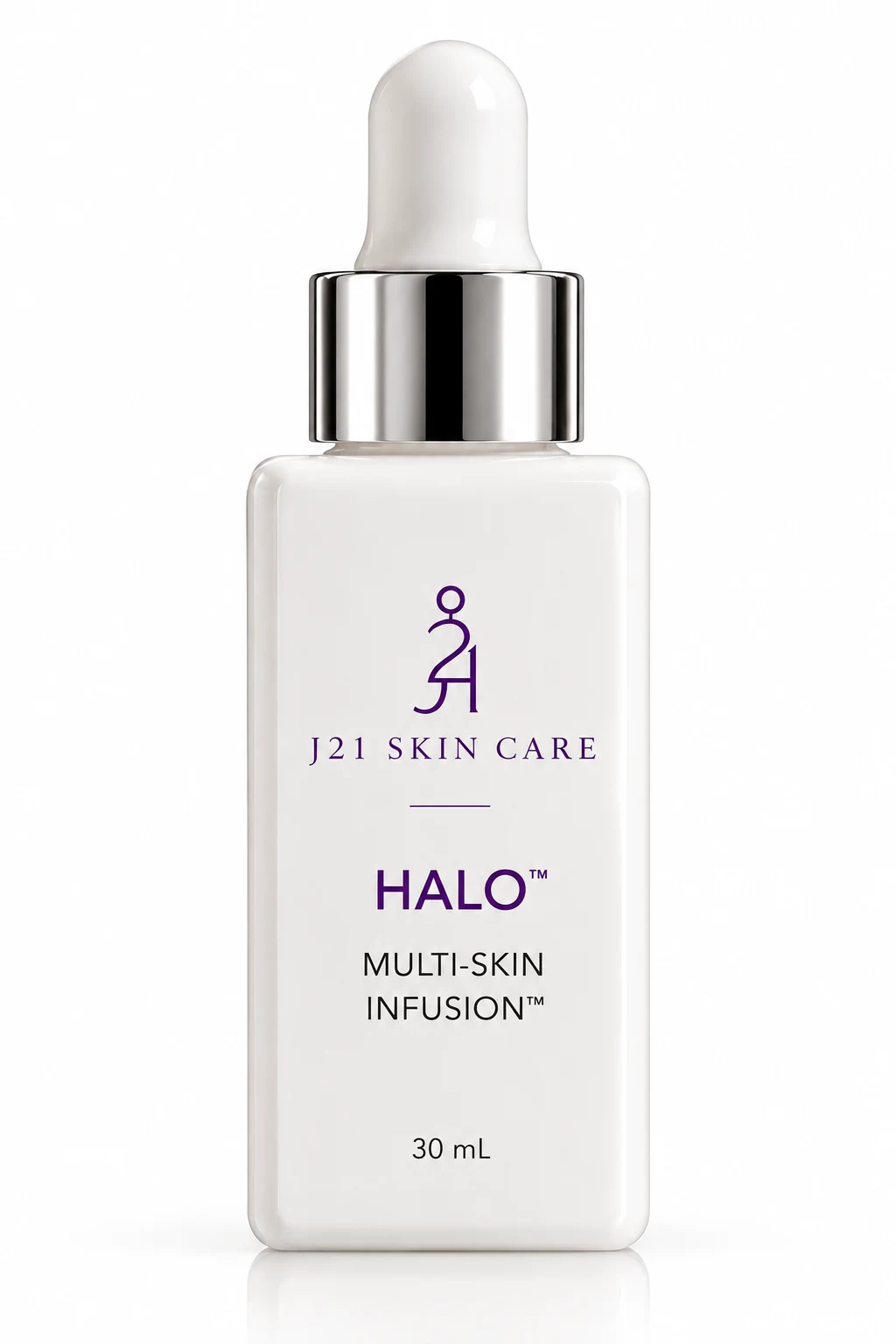
This is part of the thinking behind HALO™ Treatment Serum. High and low molecular weight hyaluronic acid support hydration, while 4% niacinamide, 2% N-acetyl glucosamine, panthenol, beta-glucan and sodium PCA allow one serum to address several complementary needs without requiring a stack of overlapping products.
Explore HALO™ Treatment Serum →
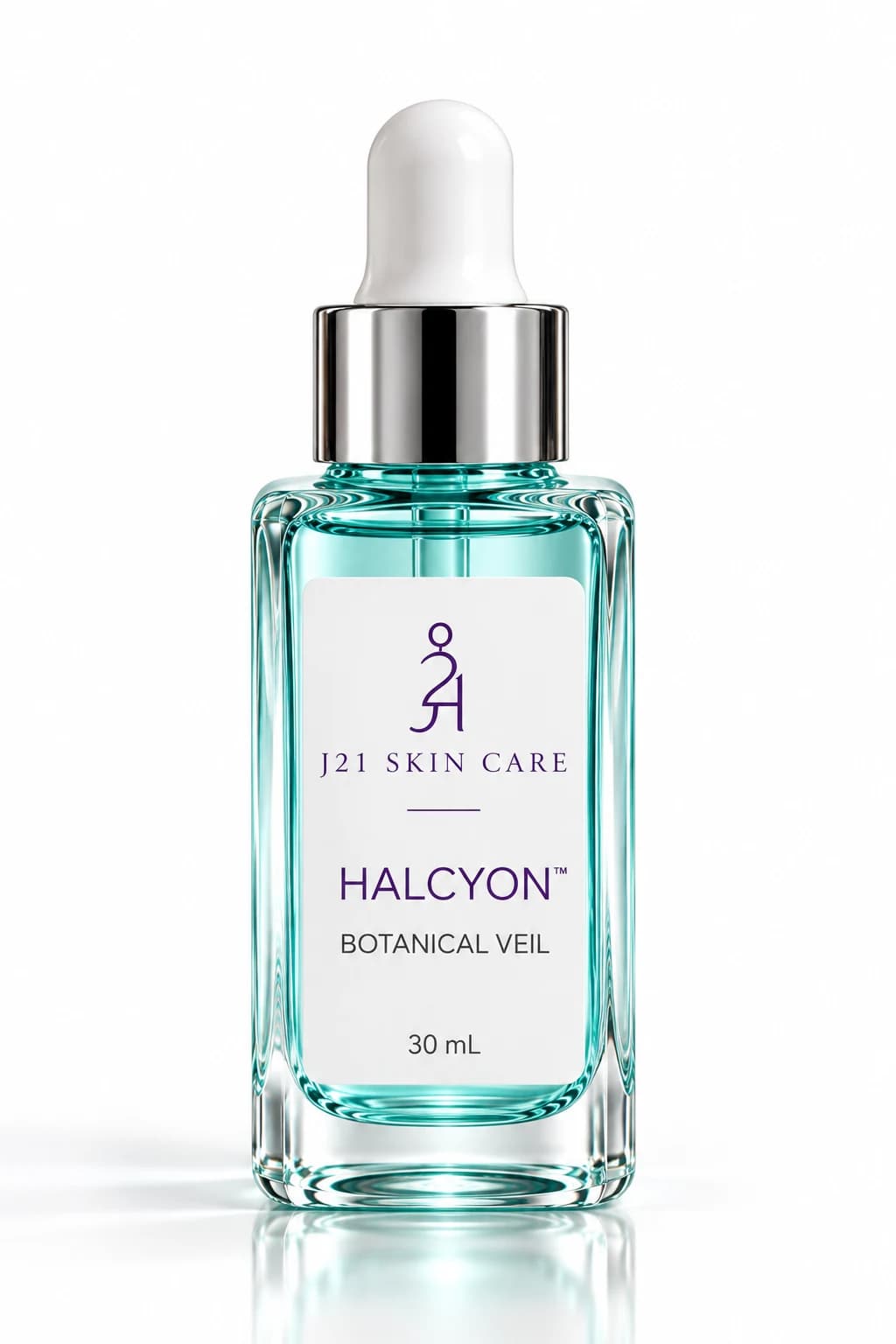
Lipids matter too, particularly when skin feels dry, depleted or less supple. Different botanical oils have different fatty-acid compositions and sensory characteristics, which is why a thoughtfully formulated blend can be more useful than simply choosing whichever single oil happens to be fashionable. For lighter everyday nourishment, HALCYON™ Botanical Facial Oil combines camellia, meadowfoam, daikon seed, squalane and jojoba with a carefully edited botanical blend.
Explore HALCYON™ Botanical Facial Oil →
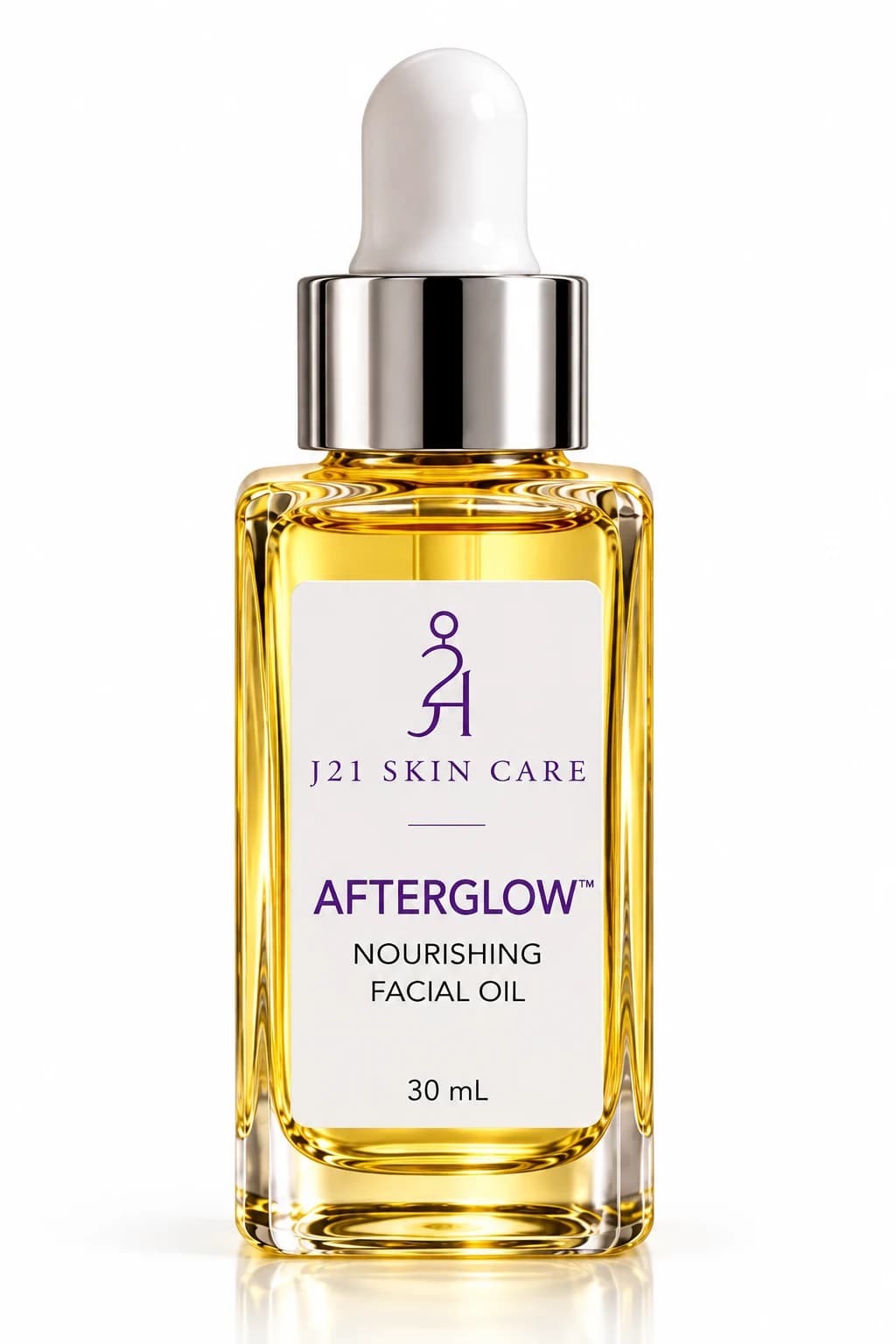
When skin wants something richer, AFTERGLOW™ Restorative Botanical Oil offers greater lipid nourishment with prickly pear, Kalahari melon, cloudberry, rosehip, marula, evening primrose and sea buckthorn oils.
Explore AFTERGLOW™ Restorative Botanical Oil →
Your Barrier Doesn't Need to Be Perfect
One unfortunate side effect of the barrier conversation is that healthy skin can begin to sound like another impossible beauty standard. In addition to perfect tone, invisible pores and no wrinkles, apparently we're now supposed to maintain a flawless moisture barrier every day of the year.
Real skin doesn't work that way. It responds to weather, humidity, cleansing, hormones, age, travel, medication, professional treatments and the products we use at home. A New York winter may require a different routine from August. Skin after a professional peel should not be treated exactly as it was the week before. Barrier-conscious skincare is less about achieving permanent perfection than recognizing when the skin's needs have changed and adjusting accordingly.
Support Is Often More Useful Than Rescue
“Barrier repair” is appealing language because it creates a problem and a solution in two words. Everyday skincare is usually less dramatic. Much of the time we are simply supporting the normal systems skin already uses to maintain itself.
That distinction matters. A skincare routine shouldn't constantly rescue the skin from problems the routine itself is creating. Some products will always make themselves known. They tingle, peel, resurface or create an immediate sense that something serious is happening. Barrier-supportive skincare is quieter. Its success often looks like skin that feels comfortable, stays hydrated and tolerates an appropriate routine without constantly demanding intervention. Comfort isn't particularly dramatic, but it is a remarkably good foundation for everything else.
J21 Skin Care · Science. Nature. Luxury.™ · Since 2007.